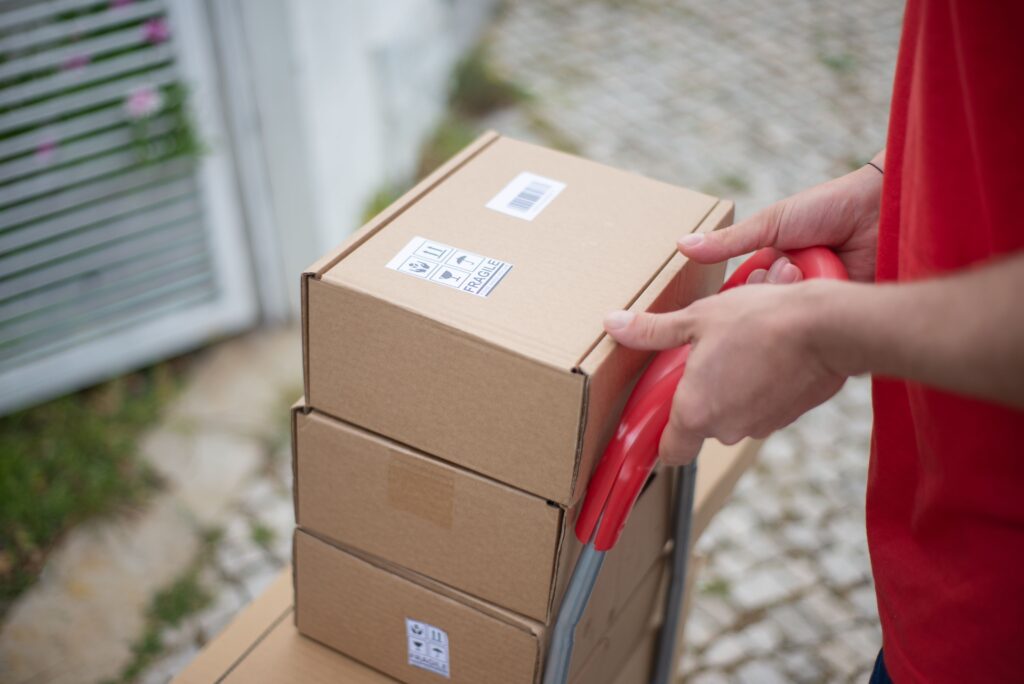
Comprehensive data showing how “Where Is My Order” inquiries dominate ecommerce support and why AI that executes transactions offers more complete resolution than systems that only provide information
“Where is my order?” remains one of the biggest recurring cost drivers in ecommerce customer service. With WISMO inquiries accounting for 40–60% of support tickets in some ecommerce operations, brands face a critical choice: continue paying to answer repetitive tracking questions or implement AI that can resolve post-purchase issues end to end.
Traditional tracking tools provide information. Action-capable AI can go further by resolving delivery claims, processing eligible order changes, and executing transactions within the customer conversation. Platforms like Kodif’s Resolution Agent demonstrate how combining AI intelligence with transaction execution can turn post-purchase support into a more efficient customer experience.
Key Takeaways
- WISMO dominates support volume: Order tracking inquiries can account for 40–60% of ecommerce support tickets, making them a major target for support automation.
- Costs scale quickly: Each WISMO ticket can cost $4–$12 to handle, creating recurring expenses as order volumes grow.
- Customers track their packages closely: A 2022 consumer survey found that 91% of respondents actively tracked shipments after purchase.
- Delivery quality influences loyalty: In Sifted’s 2025 survey, 76% of shoppers said a positive delivery experience influenced their decision to repurchase.
- Proactive communication reduces inquiries: ShippyPro reports that automated notifications can reduce WISMO by up to 65%, depending on notification coverage and timing.
- Action matters more than information alone: AI platforms that can execute eligible post-purchase transactions can resolve issues that otherwise require human intervention.
Understanding the Impact of Order Tracking on Customer Experience
Order tracking has evolved from a nice-to-have feature into a fundamental customer expectation. Today’s consumers do not simply want to know where their package is. They want accurate updates, proactive notifications, and clear resolution when problems arise. These statistics show how central tracking has become to the overall customer experience.
1. 91% of consumers actively track their packages
Package tracking is nearly universal among the consumers surveyed. According to Verte’s 2022 consumer research, 91% of respondents actively tracked their packages. The study surveyed more than 1,000 American consumers, demonstrating how important shipment visibility has become. Brands that provide clear tracking information can keep customers informed throughout the delivery journey.
2. About 96% of shoppers track orders when tracking is available
When brands offer order tracking, approximately 96% of shoppers use it, according to figures summarized by ReadyCloud. This high adoption rate reinforces the importance of accessible tracking information. Branded tracking experiences also give merchants an opportunity to keep customers engaged instead of directing them exclusively to carrier websites.
3. 82% of Americans have high expectations for accurate delivery information
Accuracy matters as much as tracking availability. Verte’s consumer survey found that 82% of Americans had high or very high expectations for accurate delivery information when tracking packages through an app. Outdated or unclear tracking statuses can create unnecessary uncertainty. Providing reliable information helps customers understand shipment progress without repeatedly contacting support.
4. About 43% of shoppers check tracking updates daily
Nearly half of shoppers check shipment progress regularly. ReadyCloud reports that approximately 43% of shoppers check tracking updates daily while waiting for deliveries. This frequency highlights the importance customers place on knowing where their purchases are. Proactive communication can help address questions before customers feel the need to contact support.
5. 19% of Americans track packages multiple times daily
Some consumers check shipment progress several times throughout the day. According to Verte’s 2022 research, 19% of Americans tracked their packages multiple times daily. Frequent tracking creates additional opportunities for brands to provide useful updates. When shipment information is difficult to interpret, those repeated checks can also lead to support inquiries.
6. 70% of American consumers prefer checking tracking information over contacting support about delays
Self-service tracking is often the preferred response to shipping uncertainty. Verte’s survey found that 70% of American consumers would rather continue checking tracking information than contact customer service or the shipping company when a package is delayed. This preference supports investment in accessible, accurate tracking experiences. Customers can find answers independently while support teams focus on issues requiring action.
The Challenge of WISMO: Why “Where Is My Order” Queries Dominate Support
WISMO inquiries represent a substantial recurring expense in ecommerce customer support. Their share of total contacts varies across businesses, seasons, and reporting methods. Understanding the scale and financial impact helps CX leaders build stronger cases for automation investment.
7. WISMO accounts for 40–60% of ecommerce support inquiries in some operations
Order tracking questions can dominate customer support queues. According to ShippyPro’s 2026 WISMO guide, WISMO inquiries often represent 40–60% of ecommerce support volume, although the share varies by business. This concentration makes order tracking an important target for improving support efficiency. Reducing repetitive inquiries can create more capacity for complex customer problems.
8. WISMO inquiries often make up 10–25% of support contacts during normal periods
Other industry benchmarks report lower baseline volumes. ReadyCloud summarizes research indicating that WISMO inquiries typically represent 10–25% of customer service contacts during normal operating periods. The difference between reported benchmarks reflects variation in businesses and measurement methods. Even at the lower end, tracking inquiries represent a recurring operational expense that grows with order volume.
9. WISMO rates often rise to 15–40% during peak periods
Seasonal demand increases pressure on customer support operations. According to ReadyCloud’s industry summary, WISMO inquiries often rise to 15–40% of contacts during peak periods, with some cited studies reporting spikes as high as 50–80%. This additional volume arrives when teams may already be managing higher order activity. Clear delivery communication helps reduce unnecessary inquiries during busy periods.
10. WISMO calls can make up 50% of customer service queries
Tracking questions can also create significant phone support demand. In a 2021 industry article, project44 reported that WISMO calls can account for 50% of customer service queries. High call volumes make tracking visibility an important operational priority. Providing accessible shipment updates can help reduce the need for customers to call simply to confirm an order’s location.
11. Support teams handle 20–50+ WISMO tickets daily
Repetitive shipment questions consume significant support capacity. ShippyPro reports that ecommerce support teams may handle 20–50+ WISMO tickets each day, depending on order volume. This workload requires agents to repeat similar tracking lookups and responses. Automating routine order-status inquiries can free agents to address problems that require judgment or transactional action.
12. Each WISMO ticket can cost $4–$12 to handle
The cost of WISMO extends beyond answering a simple question. Industry figures summarized by ReadyCloud place manual WISMO handling costs at approximately $4–$12 per interaction. Actual expenses depend on staffing, service channels, and operational overhead. Across large ticket volumes, these recurring costs can make tracking automation financially significant.
13. The average cost per WISMO ticket is approximately €4 in ShippyPro’s benchmark
ShippyPro reports an all-in cost of approximately €4 per tracking-related support ticket, based on enterprise merchant pilot-cohort data. This estimate includes agent wages, tooling overhead, and escalation handling. Although individual merchant costs vary, the figure provides a practical benchmark for evaluating WISMO reduction initiatives.
14. Each WISMO call costs approximately $5 to resolve
Phone-based order tracking inquiries also create direct support expenses. A project44 industry article reports an average resolution cost of $5 per WISMO call. The figure illustrates how repeated status questions can accumulate into meaningful operational costs. Effective self-service tracking can reduce the number of calls requiring human attention.
15. Average handling time is 3–5 minutes per WISMO ticket
Even routine tracking questions require agent time. ShippyPro estimates average handling time at 3–5 minutes per WISMO ticket, including information lookup, interpretation, and response preparation. These short interactions accumulate quickly when teams handle large daily volumes. Their repetitive nature also makes them suitable for automated resolution.
16. Handling 300 WISMO tickets weekly can require approximately 100 agent hours monthly
A mid-size ecommerce operation can spend substantial time on order-status inquiries. In its illustrative workload model, ShippyPro estimates that 300 weekly WISMO tickets require approximately 100 agent hours per month. The same model estimates monthly labor costs of approximately €2,000 at €20 per hour. These benchmarks help CX leaders understand the operational impact of repetitive tracking contacts.
Beyond Information: How Action-First AI Transforms Tracking and WISMO Resolution
The distinction between AI that answers questions and AI that executes actions shapes the effectiveness of post-purchase support. Basic tracking tools can explain where an order is. Agentic AI platforms can go further by resolving eligible delivery problems, processing transactions, and completing workflows within the customer conversation.
17. 98% of customers consider delivery experience a key factor in brand loyalty
Delivery experience carries significant weight in customer relationships. A benchmark cited in ShippyPro’s WISMO guide states that 98% of customers consider delivery experience a key factor in brand loyalty. The figure reinforces the importance of treating post-purchase support as more than an operational expense. Clear tracking, reliable updates, and effective resolution all contribute to the delivery experience.
18. 70% of customers will not purchase again after a poor delivery experience
A negative delivery experience can influence whether customers return. ShippyPro cites a benchmark indicating that 70% of customers will not purchase again after a poor delivery experience. This highlights the potential retention consequences of delivery failures. Brands need both reliable information and practical resolution options when shipments go wrong.
19. 69.7% of shoppers are less likely to repurchase if they are not informed about delays
Communication becomes especially important when deliveries are delayed. According to research summarized by ReadyCloud, 69.7% of shoppers are less likely to buy again after a delayed package if they were not kept informed. Silence during shipping problems can increase frustration. Proactive delay notifications help customers understand what happened and what to expect next.
20. 76% of shoppers say positive delivery experiences influence repurchase decisions
Good delivery experiences can support customer retention. In Sifted’s 2025 consumer survey, 76% of shoppers said a positive delivery experience influenced their decision to repurchase from a brand. This finding connects post-purchase operations with future purchasing behavior. Brands that communicate clearly and resolve delivery issues effectively can strengthen customer relationships.
21. 43% of consumers stop buying from brands after poor customer service
Customer service quality also affects purchasing decisions beyond delivery. Research summarized by ReadyCloud indicates that 43% of consumers will stop buying from a brand after poor customer service. This reinforces the importance of resolution quality alongside response speed. Post-purchase teams need processes that solve problems rather than simply acknowledge them.
Streamlining Multi-Carrier Tracking for Ecommerce Brands
Modern ecommerce brands ship through multiple carriers, creating operational complexity for customers and support teams. Unified tracking experiences require reliable access to shipment information across carrier networks. Kodif maintains 100+ ecommerce integrations with write-back capabilities that enable eligible actions within connected systems.
22. About 11% of packages encounter a shipping exception
Shipping exceptions are a common source of delivery uncertainty. According to figures summarized by ReadyCloud, approximately 11% of packages encounter an exception during transit. These issues can include delays or stalled shipment movement. Exception handling is particularly important because customers may need more than a basic tracking update.
23. 14% of brands missed their stated delivery promises in Stord’s 2025 study
Delivery reliability remains a challenge for ecommerce operations. Stord’s 2025 mystery shopping report found that 14% of sampled brands failed to meet their stated delivery promises, with delays averaging up to seven days. Missed commitments can create customer uncertainty and additional support requests. Accurate carrier data and proactive exception handling help brands manage these situations more effectively.
24. 90% of consumers are willing to wait two or three days for delivery
Consumers do not always prioritize the fastest shipping option. According to McKinsey’s consumer delivery research, 90% of surveyed consumers were willing to wait two or three days for deliveries, particularly when doing so helped avoid shipping costs. This suggests reliability and value can matter more than maximum speed. Brands should focus on setting accurate expectations and meeting promised delivery dates.
25. 80% of consumers expect retailers to offer same-day delivery
Fast delivery options remain important to many shoppers. Capital One Shopping’s 2026 statistics compilation reports that 80% of consumers expect retailers to offer same-day delivery. Expectations vary by product and purchasing situation, but the availability of faster shipping can influence customer choices. Brands that cannot offer immediate delivery can still compete through reliable timelines and accurate tracking.
Achieving Enterprise-Grade Tracking for DTC Brands
DTC and Shopify brands compete against the delivery standards established by major retailers while operating with smaller teams and logistics networks. Providing enterprise-grade tracking and resolution capabilities requires connected systems and reliable shipment data. The right AI platform helps brands deliver more consistent post-purchase experiences without depending entirely on manual support workflows.
26. 80% of online shoppers expect regular order-status updates
Consistent communication has become a basic expectation after checkout. According to ShippyPro’s 2026 WISMO guide, 80% of online shoppers expect regular updates on order status from purchase through delivery. Brands that send only initial shipment and final delivery confirmations may leave customers uncertain between milestones. Clear updates help maintain visibility throughout the journey.
27. 63% of consumers consider full delivery tracking visibility essential
Tracking availability alone does not satisfy every customer expectation. In Sifted’s 2025 consumer survey, 63% of consumers considered full visibility throughout delivery essential. Another 32% said they liked having the option to track shipments, even if it was not necessary. These findings show why brands should make tracking information accessible and easy to understand.
28. Global B2C ecommerce parcel volume was projected to reach 121 billion shipments in 2025
Global parcel activity continues to expand alongside ecommerce demand. ECDB’s December 2025 analysis projected that worldwide B2C ecommerce parcel volume would reach 121 billion shipments in 2025, representing expected year-over-year growth of 10%. The figure was a forecast rather than a confirmed final shipment total. Growing parcel activity increases the importance of scalable tracking and post-purchase support systems.
29. U.S. parcel volume reached 23.1 billion shipments in 2025
The United States processes an enormous number of parcels annually. According to the Pitney Bowes Parcel Shipping Index, U.S. parcel volume reached 23.1 billion shipments in 2025, increasing 3.3% year over year. This volume reflects the scale of the delivery infrastructure serving businesses and consumers. Even modest reductions in unnecessary shipment inquiries can matter for high-volume ecommerce operations.
30. Global ecommerce sales were forecast to reach $6.419 trillion in 2025
The scale of ecommerce continues to create demand for delivery and post-purchase services. In its February 2025 forecast, EMARKETER projected worldwide retail ecommerce sales of $6.419 trillion for 2025, representing expected annual growth of 6.8%. This was a forecast, not a confirmed final sales total. As online retail expands, brands need systems that can manage increasing customer interactions without relying entirely on manual support.
Proactive vs. Reactive: Automating Delivery Notifications
Moving from reactive support to proactive communication is an important WISMO reduction strategy. Rather than waiting for customers to ask where their orders are, effective systems provide useful information when shipment milestones or exceptions occur.
31. Proactive notifications can reduce WISMO by up to 65%
Automated updates can significantly reduce repetitive tracking inquiries. ShippyPro reports that proactive shipping notifications can reduce WISMO volume by up to 65%, depending on notification completeness and timing. Updates about shipment dispatch, delivery progress, and exceptions help address common customer questions. Actual results depend on the brand’s existing communication processes and shipment conditions.
32. Branded tracking pages and alerts have delivered up to 70% WISMO reduction
Branded tracking experiences can help customers find delivery information without contacting support. In a 2020 industry article, project44 reported observing WISMO reductions of up to 70% from a combination of branded tracking pages and shipment alerts. The result reflects the combined approach rather than tracking pages alone. Brands can use these tools to keep shipment communication accessible throughout the delivery journey.
33. Out-for-delivery notifications can reduce failed deliveries by up to 35%
Timing matters when notifying customers about shipments. ShippyPro reports that out-for-delivery notifications can reduce failed deliveries by up to 35%. These alerts help customers prepare for delivery attempts or make alternative arrangements where supported. Preventing missed deliveries can also reduce subsequent tracking and exception-related inquiries.
34. Bodybuilding.com reduced WISMO calls by 27% through proactive delivery communication
Real-world examples demonstrate the value of connected tracking and notifications. According to a project44 case example, Bodybuilding.com reduced WISMO calls by 27% after improving its delivery experience with in-transit alerts, branded tracking pages, and automated shipping confirmation emails. The result reflects a combination of improvements rather than notifications alone. This historical case provides an example of how proactive delivery communication can reduce support demand.
35. Only 34% of sampled orders arrived as promised in Stord’s 2025 study
Clear delivery promises are essential, but meeting them can be difficult. Stord’s 2025 mystery shopping study found that only 34% of sampled orders arrived as promised, while another 12% arrived earlier than expected. The findings highlight a gap between stated delivery commitments and actual performance. Proactive communication helps brands manage expectations when delivery timelines change.
36. SMS notifications are reported to achieve 98% or higher open rates
SMS can be a useful channel for time-sensitive shipment updates. ShippyPro cites SMS open-rate benchmarks of 98% or higher, making text messaging a potentially effective channel for urgent notifications. Actual engagement depends on audience behavior, consent, and message relevance. Brands should prioritize timely, useful notifications rather than sending unnecessary messages.
37. 56% of consumers prefer receiving order updates via SMS
Text messaging is a preferred order-update channel for many consumers. Stord’s 2025 research found that 56% of surveyed consumers preferred receiving order updates and tracking information through SMS. This preference demonstrates the value of offering communication channels beyond email. Brands can use customer preferences to determine how important shipment updates should be delivered.
38. Only 12% of sampled ecommerce brands met consumers’ SMS order-update expectations
Consumer preferences do not always align with the channels brands provide. In its 2025 mystery shopping report, Stord found that only 12% of the brands studied met the SMS order-update expectation identified in its consumer research. This gap creates an opportunity for more effective communication. Offering relevant shipment notifications through preferred channels can improve post-purchase visibility.
39. Email notification open rates are reported at 20–40%
Email remains an important channel for shipment communication. ShippyPro’s notification benchmarks report typical email open rates of 20–40%, compared with higher benchmarks for SMS. Email works well for shipment confirmations, detailed updates, and delivery records customers may need later. Combining channels can help brands balance immediacy with the need for more complete information.
40. WhatsApp notifications are reported to achieve 90% or higher open rates
WhatsApp offers another communication option for brands serving international customers. ShippyPro reports WhatsApp notification open-rate benchmarks of 90% or higher. The channel can support time-sensitive alerts and interactive customer communication in markets where WhatsApp is widely used. Channel selection should reflect customer preferences, regional adoption, and applicable messaging requirements.
From Tracking to Resolution: Handling Delivery Claims with AI Efficiency
When tracking reveals a problem, customers need resolution rather than another status update. Missing, damaged, or delayed packages can require actions across several connected systems. AI that can execute eligible transactions helps reduce the manual steps involved in addressing these issues. Learn more about automating WISMO and delivery claims.
41. Global parcel deliveries reached an estimated 217 billion in 2025
Global parcel activity extends far beyond ecommerce shipments alone. According to Persistence Market Research, global parcel deliveries reached approximately 217 billion units in 2025. The figure includes the broader parcel delivery market rather than only B2C ecommerce shipments. At this scale, efficient exception handling and delivery support remain important operational considerations.
42. Last-mile delivery accounted for approximately 53% of total shipping costs in 2024
The final stage of delivery represents a major cost component in logistics. Industry figures summarized by SmartRoutes put last-mile delivery at approximately 53% of total shipping costs in 2024. This cost concentration highlights the operational importance of reducing failed attempts and managing delivery problems efficiently. Better tracking and exception resolution can complement broader efforts to control fulfillment costs.
43. The ecommerce logistics market was valued at $493.3 billion in 2024
Ecommerce logistics represents a substantial global industry. According to IMARC Group’s historical market figures, the global ecommerce logistics market reached $493.3 billion in 2024. The market includes activities such as warehousing, order fulfillment, transportation, and final delivery. Its scale illustrates the importance of efficient post-purchase operations throughout the customer journey.
44. The global ecommerce logistics market is projected to reach $1,577.3 billion by 2034
Logistics demand is expected to continue growing over the coming years. In its 2026 market outlook, IMARC Group projected that the global ecommerce logistics market would reach $1,577.3 billion by 2034, from a reported $557.0 billion in 2025. The 2034 figure is a forecast rather than a realized market value. Continued growth strengthens the business case for scalable fulfillment, tracking, and delivery-resolution processes.
45. The global last-mile delivery market was valued at $167.3 billion in 2025
The last-mile delivery sector represents a significant portion of the broader logistics economy. Grand View Research valued the global last-mile delivery market at $167.3 billion in 2025. This market covers the final stage of moving shipments to their destinations. As the sector grows, brands need reliable delivery visibility and efficient processes for resolving shipment problems.
The Cost and Expectation Gap in Ecommerce Shipping
Customer expectations around shipping costs and delivery speed influence the entire buying experience. The difference between what customers expect and what brands can consistently deliver creates both operational and customer experience challenges.
46. 92% of shoppers say free shipping influences purchase decisions
Free shipping remains a major consideration for online shoppers. In its 2024 Home Delivery Survey, AlixPartners found that 92% of respondents said free shipping offers influenced their purchase decisions, up from 83% in 2023. The survey included 1,100 U.S. consumers. Shipping cost expectations should therefore be considered alongside delivery speed and reliability.
47. More than 90% of consumers are likely to abandon carts when shipping costs are high
Unexpected or expensive shipping can discourage customers from completing purchases. McKinsey’s consumer delivery research found that more than 90% of respondents said they were likely to abandon an online purchase if shipping costs were high. The finding reflects reported purchase intentions rather than measured checkout abandonment. Clear shipping prices help customers evaluate the total cost before placing an order.
48. More than 95% of consumers prefer free standard shipping over paid expedited delivery
Customers often prioritize shipping value over maximum delivery speed. According to McKinsey’s consumer survey, more than 95% of respondents preferred free standard delivery over paid expedited shipping. This preference reinforces the importance of reliable, reasonably priced fulfillment. Brands do not always need the fastest delivery option, but they do need to set expectations clearly and meet their commitments.
49. Only 12% of sampled ecommerce brands offer free shipping without a minimum purchase
Unconditional free shipping remains relatively uncommon among the brands studied. Stord’s 2025 mystery shopping report found that only 12% of sampled ecommerce brands offered free shipping without a minimum purchase requirement. Most relied on spending thresholds to balance delivery costs with customer expectations. Clear presentation of these thresholds can help customers understand shipping costs before checkout.
50. Brands promising same-day or next-day delivery charged a median of $11 per order
Faster shipping options often carry additional costs. According to Stord’s 2025 mystery shopping research, brands promising same-day or next-day delivery charged a median shipping fee of $11 per order, with some charges reaching $65. This demonstrates the cost trade-off associated with faster fulfillment. Brands should communicate shipping options and prices clearly so customers can make informed decisions.
The Automation Ceiling: Why Transaction Access Matters for Post-Purchase CX
The limitations of post-purchase automation are not determined by AI model quality alone. They also depend on what the AI can do within connected commerce systems.
A platform that only retrieves tracking information can answer a customer’s question but may not be able to resolve the underlying issue. For example, a customer asking about a delayed package may need a replacement, address change, or delivery claim rather than another explanation of shipment status.
The difference between answering and acting determines what happens next:
- Answering: AI retrieves tracking information and tells customers their package status.
- Acting: AI checks eligibility and applicable policies, then completes supported actions such as order changes, delivery claims, store credit, or exchanges.
When a platform cannot execute the necessary transaction, the workflow may require human intervention.
Kodif’s post-purchase-native architecture is designed to connect AI intelligence with transaction execution. Instead of functioning only as an information layer above commerce systems, Kodif supports eligible write-back actions inside connected applications.
This approach helps CX teams address more of the customer’s request within a single conversation. For brands managing high WISMO volumes, reducing unnecessary handoffs can improve operational efficiency while creating a more consistent post-purchase experience.
Why Kodif’s Architecture Supports End-to-End Post-Purchase Resolution
Kodif combines AI customer service with the transaction capabilities required to execute eligible post-purchase workflows.
Traditional post-purchase systems provide operational tools for returns, exchanges, and delivery management. AI CX platforms provide conversational intelligence but may depend on external APIs to complete transactions. Kodif brings these capabilities together through an action-first approach.
Its Resolution Agent can use connected systems to check order details, apply applicable policies, and complete supported transactions within customer conversations.
Kodif maintains 100+ ecommerce-native integrations across commerce, helpdesk, subscriptions, returns, fulfillment, and payments. These integrations provide access to relevant customer information and support write-back actions where available.
For CX teams managing post-purchase support, this architecture offers several practical advantages:
- More complete automation: Eligible issues can be resolved without handing every transactional step to a human agent.
- Transaction execution: AI can complete supported returns, exchanges, order changes, store credit, and delivery claims within the customer conversation.
- Write-back integrations: Connected systems can be updated when an approved workflow requires a transaction.
- Post-purchase focus: The platform is designed around the operational requirements of order tracking, delivery issues, returns, exchanges, and shipping protection.
The goal is not simply to answer more tickets automatically. It is to resolve more customer issues completely, with fewer unnecessary steps.
By resolving eligible post-purchase issues within customer conversations, Kodif helps CX teams reduce repetitive support work and focus on cases requiring human attention.
See how Kodif works to bring intelligence and transaction execution together.
Frequently Asked Questions
What is WISMO, and why is it important for ecommerce businesses?
WISMO stands for “Where Is My Order” and refers to customer inquiries about shipment status, tracking information, and expected delivery times. These questions can represent 40–60% of ecommerce support inquiries in some operations. Reducing repetitive WISMO contacts helps support teams control costs and focus on customers who need assistance with more complex issues.
How does AI improve order tracking and WISMO resolution beyond traditional chatbots?
Basic tracking tools provide shipment information and answer common questions. Action-capable AI goes further by connecting customer conversations to transactional workflows. It can check policies, retrieve order details, and execute eligible actions such as order changes, returns, store credit, and delivery claims. This enables more complete resolution without unnecessary human handoffs.
What makes Kodif’s approach to post-purchase automation different?
Kodif combines AI intelligence with the transaction capabilities required for post-purchase resolution. Rather than relying exclusively on information retrieval, its architecture supports write-back actions through connected commerce systems. This allows the platform to complete eligible workflows within the customer conversation while following configured policies and operational requirements.
How can ecommerce brands reduce WISMO tickets without implementing full AI automation?
Brands can begin with proactive shipment notifications, accessible tracking pages, accurate delivery estimates, and timely exception alerts. ShippyPro reports that proactive notifications can reduce WISMO volume by up to 65%, depending on implementation. These improvements help customers find shipment information without contacting support. AI transaction execution can then address issues that require actions beyond tracking.
How should ecommerce brands measure the value of WISMO automation?
CX teams should track WISMO ticket volume, cost per contact, handling time, repeat inquiries, and the percentage of issues resolved without human intervention. They should also distinguish simple tracking responses from completed transactional resolutions. ShippyPro’s benchmarks place routine WISMO handling at approximately 3–5 minutes per ticket, providing a useful starting point for workload analysis. The strongest business case combines reduced support effort with better resolution quality and customer experience.