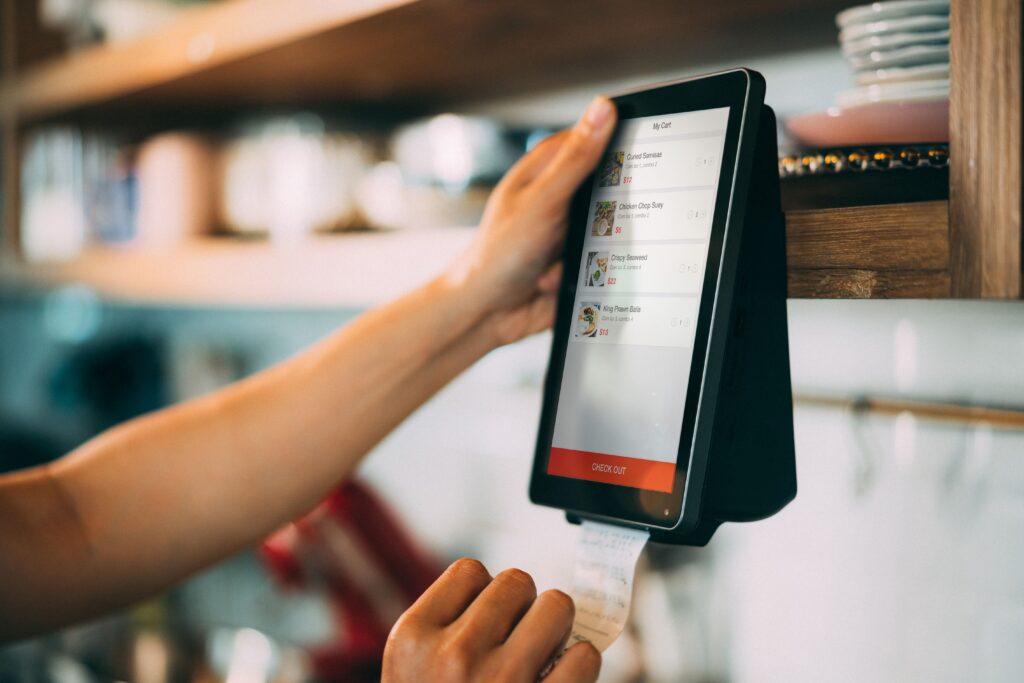
E-commerce businesses face a critical conversion challenge: 76% of consumers get frustrated when shopping experiences aren’t personalized, while global cart abandonment rates hover at 70.22%. AI-powered product recommendations solve this friction by analyzing customer behavior and preferences to deliver personalized suggestions in real-time—driving 15-35% conversion increases on average. For brands looking to maximize every customer touchpoint, integrating AI recommendations with customer experience automation creates a seamless journey from product discovery through post-purchase support.
Key Takeaways
- AI product recommendations deliver 15-35% conversion rate improvements on average, with leading implementations achieving 50-100% lifts
- Amazon generates 35% of revenue directly from its recommendation engine
- Three core algorithms power recommendations: collaborative filtering, content-based filtering, and hybrid models combining both approaches
- The global recommendation engine market is projected to grow from $5.39 billion in 2024 to $119.43 billion by 2034 (36.33% CAGR)
- Systems analyzing all four data types (behavioral, product, contextual, explicit feedback) achieve 25-30% higher conversion rates than behavioral-only approaches
- 56% of shoppers return to sites offering personalized recommendations
Understanding the Impact of AI on Average E-commerce Conversion Rates
The gap between customer expectations and retailer delivery creates massive opportunity. While 52% of shoppers expect personalized offers, only 1 in 10 retailers have fully implemented personalization across all channels. Those who do see 40% revenue increases.
Benchmarking Your Store’s Performance
Understanding where you stand requires looking at industry-specific metrics:
- Average conversion rates: Most e-commerce sites convert at 2-3%, with top performers reaching 5-10%
- Cart abandonment: The 70.22% global average represents billions in lost revenue
- Choice overload: 54% of consumers abandon purchases when faced with too many options
AI recommendations directly address these challenges by reducing decision fatigue and surfacing relevant products at critical moments.
Setting Realistic Conversion Goals
Retailers implementing AI-powered recommendations can expect measurable improvements across the funnel:
- Conversion rates: 15-35% increase on average
- Average Order Value (AOV): 20-40% growth through intelligent cross-selling
- Session duration: Up to 2x increase in time on site
- Marketing efficiency: 10-30% improvement as recommendations target high-intent buyers
The Power of Personalized Product Recommendations
Personalization transforms generic browsing into tailored shopping experiences. Netflix’s recommendation system drives 80% of viewer activity—demonstrating the business impact extends far beyond initial conversion.
Moving Beyond Basic Recommendations
Basic “customers also bought” suggestions barely scratch the surface. Modern AI systems analyze:
- Browsing patterns across sessions and devices
- Purchase history including frequency and recency
- Contextual signals like time of day, season, and location
- Explicit preferences from reviews, ratings, and wish lists
This comprehensive approach enables true 1:1 personalization. As Arvind Natarajan, Director of Product at GroupBy, notes: “AI models have advanced” to drive 1:1 personalized experiences in product discovery.
Creating a Seamless Shopping Experience
Effective recommendations appear at strategic touchpoints:
- Homepage: Personalized product grids based on previous behavior
- Product pages: “Complete the look” and complementary items
- Cart: Last-minute upsells and frequently forgotten items
- Post-purchase: Follow-up recommendations via email
Tracking customer satisfaction metrics helps measure whether recommendations enhance or disrupt the shopping experience.
How Recommendation Engine Algorithms Drive Conversions
Three core approaches power AI recommendations, each solving specific business problems.
Collaborative Filtering analyzes behavior of similar users to predict preferences. When User A and User B both purchase items X and Y, the system recommends item Z (purchased by User B but not User A) to User A. This approach powers Amazon’s “customers who bought this also bought” feature, contributing to 35% of total sales.
Content-Based Filtering matches product attributes to user preferences. If a customer frequently purchases organic skincare, the system prioritizes products with similar attributes. This approach works well for niche markets and new user scenarios where behavioral data is limited.
Hybrid Models combine both approaches for maximum accuracy. Netflix’s hybrid system achieves 80% of content discovery through recommendations. The combination overcomes the “cold start problem” where new users or products lack sufficient data for collaborative filtering alone.
Continuous Improvement and Optimization
Modern systems employ A/B testing frameworks to continuously refine recommendations:
- Test different algorithm weights and parameters
- Measure incremental lift vs. control groups
- Optimize for specific business goals (conversion, AOV, retention)
- Adapt to seasonal trends and changing customer behavior
Implementing AI for Effective Product Discovery
Implementation follows a structured seven-step process:
- Business analysis and KPI definition
- Data collection and preprocessing
- Algorithm selection (collaborative, content-based, or hybrid)
- Model training with historical data
- Evaluation and A/B testing
- Integration with existing tech stack
- Continuous monitoring and optimization
Integrating Recommendations Across Touchpoints
Omnichannel consistency matters. Your integration infrastructure should connect recommendations across:
- Web and mobile apps
- Email marketing platforms
- Customer support channels
- Social commerce touchpoints
Pre-built connectors for platforms like Shopify and major e-commerce tools reduce implementation time from months to weeks.
Measuring the ROI of Product Discovery
Track these metrics to validate recommendation effectiveness:
- Click-through rate on recommended products
- Conversion rate for recommendation-influenced purchases
- Revenue per session compared to baseline
- Customer lifetime value impact over time
Leading implementations report 5-8x return on marketing spend, justifying the investment for most e-commerce businesses.
Optimizing Trust and Experience with AI-Powered Conversions
Trust drives conversion. 51% of customers don’t trust brands with personal data, making transparent, privacy-first personalization a competitive differentiator.
Building Brand Trust Through Personalized Support
AI-powered personalization extends beyond product recommendations to customer support. When customers receive relevant product suggestions alongside responsive, personalized service, trust compounds.
Key trust-building elements include:
- Transparent data usage: Explain how recommendations are generated
- Consent management: Give customers control over personalization settings
- Consistent experience: Ensure recommendations align across all touchpoints
- Responsive support: Address questions quickly when recommendations miss the mark
Monitoring customer health scores helps identify when personalization efforts need adjustment.
From Conversion to Retention: The AI Advantage
The retention impact often exceeds initial conversion gains. AI-powered recommendations improve customer retention by 15-44%, with global repurchase rates increasing 44% when personalization is done well.
Targeting Subscription-Based Businesses with AI Recommendations
Subscription businesses benefit uniquely from AI recommendations. The recurring relationship provides continuous data, enabling increasingly accurate personalization over time.
Optimizing the Subscription Journey
AI recommendations support critical subscription touchpoints:
- Acquisition: Personalized starter bundles based on quiz responses
- Onboarding: Complementary products to enhance initial experience
- Renewal: Swap suggestions based on usage patterns and feedback
- Reactivation: Targeted offers for at-risk subscribers
For subscription e-commerce brands, AI can predict when customers might pause or cancel and proactively suggest alternatives.
Reducing Churn with Smart Recommendations
Churn prevention represents significant revenue protection. Recommendation systems can:
- Identify subscribers likely to cancel based on engagement patterns
- Suggest product swaps when satisfaction signals decline
- Personalize retention offers based on customer value and preferences
- Time interventions for maximum impact
Understanding how to tackle churn requires combining recommendation intelligence with responsive customer support.
Personalized Gifts and Unique Product Discovery with AI
Gift-giving scenarios present unique recommendation challenges and opportunities. The purchaser differs from the recipient, requiring different personalization signals.
Leveraging AI for Gifting Occasions
Effective gift recommendations analyze:
- Occasion context: Birthday, holiday, anniversary timing
- Recipient signals: Based on gift registry, wish lists, or relationship indicators
- Price range: Matching budget expectations to appropriate products
- Past gift history: Avoiding duplicate purchases
Fashion retailer implementations show 18.65% AOV increases through AI-powered “complete the look” suggestions that work equally well for self-purchase and gifting.
Making Every Gift Discovery Unique
Curated gift guides powered by AI create emotional connections:
- Style-appropriate accessory recommendations
- Personalized bundle suggestions
- Occasion-specific product combinations
- Price-optimized alternatives
The Role of AI in Streamlining Post-Purchase Recommendations
Post-purchase represents the highest-value recommendation opportunity. Customers who just bought have demonstrated purchase intent and provided fresh behavioral signals.
Turning One-Time Buyers into Lifelong Customers
Strategic post-purchase recommendations focus on:
- Complementary products: Accessories for recent purchases
- Consumable replenishment: Refills and replacements timed to usage patterns
- Upgrade paths: Premium alternatives based on satisfaction signals
- Cross-category expansion: Related categories matching customer profiles
Grocery platforms using smart cart pre-fill based on recurring purchase patterns report 5-15% revenue lifts through predictive reordering.
AI-Driven Support for Repeat Purchases
The intersection of recommendations and customer support creates powerful retention opportunities. When support interactions include personalized product suggestions, average resolution time decreases while customer satisfaction increases.
Post-purchase touchpoints for recommendations include:
- Order confirmation emails with complementary suggestions
- Shipping notifications with usage tips and accessories
- Review requests paired with similar product recommendations
- Support interactions that address issues while suggesting alternatives
Why KODIF Enhances Your AI-Powered Customer Experience
While product recommendations drive conversion, the full customer journey includes support interactions that impact loyalty and lifetime value. KODIF bridges this gap with AI-powered customer service automation built specifically for e-commerce brands.
KODIF’s platform complements product recommendation strategies through:
- AI Agent: Provides personalized product education based on purchase history, supporting relevant recommendations during support interactions
- AI Analyst: Identifies trends and sentiment patterns, helping pinpoint where product discovery or support friction impacts conversion
- Omnichannel automation: Maintains personalization consistency across chat, email, SMS, and social channels
- Deep e-commerce integrations: Connects with 100+ tools including Shopify, Recharge, and major helpdesks to enable real actions—not just information retrieval
For subscription-based businesses, KODIF handles the critical support moments that determine retention: skip requests, pause management, and swap suggestions. Dollar Shave Club achieved 6x growth in containment while Good Eggs reduced average handle time by 40%.
The connection between product recommendations and customer support matters because the entire experience, from product discovery through post-purchase support, maintains the personalization that drives loyalty.
Frequently Asked Questions
What is the average e-commerce conversion rate businesses should aim for?
Most e-commerce sites convert at 2-3% of visitors, while top performers reach 5-10%. AI product recommendations can lift these rates by 15-35% on average, with best-in-class implementations achieving 50-100% improvements. Your target should account for industry, product type, and traffic quality.
How does an AI recommendation engine differ from basic ‘customers also bought’ suggestions?
Basic suggestions use simple purchase correlation data, while AI engines analyze multiple data types: behavioral patterns, product attributes, contextual signals, and explicit feedback. They employ machine learning to predict individual preferences rather than relying on aggregate patterns, achieving 25-30% better results by combining these approaches.
Can AI product recommendations benefit businesses beyond just retail (e.g., subscription services)?
Yes—subscription businesses benefit uniquely because the recurring relationship provides continuous data for increasingly accurate personalization. AI can predict churn, suggest product swaps, and time retention interventions. Subscription models see 44% repurchase rate improvements with effective personalization across the customer lifecycle.
What data points are most crucial for an AI recommendation engine to be effective?
Four data categories matter most: behavioral data (clicks, browsing history, purchase patterns), product information (descriptions, categories, prices), contextual data (time, seasonality, device, location), and explicit feedback (ratings, reviews, wish lists). Systems using all four achieve significantly higher conversion rates than behavioral-only approaches.
How quickly can I expect to see an ROI after implementing AI product recommendations?
Most businesses see initial results within 3-6 months, with full ROI typically materializing within 12-18 months. Leading implementations report 5-8x return on marketing spend. Timeline depends on data quality, integration complexity, and optimization effort. Start with A/B testing to validate incremental impact.